Product Deep Dive: How Premium Branded Apparel Is Redefining Corporate Swag Strategy in 2026
The conference room was silent as the CEO of a Series C fintech startup held up two black hoodies—one a thin, screen-printed basic cotton blend, the other a premium heavyweight French terry with embroidered logo details. “Our competitor sends the first one to their engineering team,” she said. “We send the second. Which team do you think feels valued?”
This scenario is playing out across boardrooms in 2026 as companies rethink their corporate apparel strategy. The era of cheap,一次性 giveaway T-shirts is fading. In its place, a new philosophy has emerged: premium branded apparel as a strategic investment in employer branding, employee retention, and customer loyalty.
The Premium Shift: From Quantity to Quality
The numbers tell a compelling story. According to industry research from the promotional products association, the average cost-per-wear of premium branded apparel outperforms traditional swag by a factor of six. When an employee wears a high-quality branded hoodie to the gym, to a coffee shop, or on a weekend trip, the brand receives free, authentic exposure that no trade show booth can replicate.
Companies are increasingly recognizing that every piece of corporate apparel is a walking billboard—but only if people actually want to wear it. “We stopped ordering 5,000 cheap T-shirts three years ago,” explains the head of people operations at a Boston-based healthcare technology company. “Now we invest in 200 premium quarter-zips that our team genuinely wants to wear. The brand visibility per dollar actually increased.”
This shift represents a fundamental change in how organizations approach corporate swag. Rather than maximizing quantity to achieve surface-level awareness, companies are prioritizing quality that drives genuine usage and emotional connection.
What’s Driving the Premium Apparel Revolution
Several converging factors are accelerating this transformation in branded merchandise strategy:
Remote and hybrid work normalization. With employees working from home or coffee shops, the office uniform has been replaced by casual professional attire that showcases company pride. A premium branded pullover has become the visual signature of distributed teams.
War for talent intensification. In competitive hiring markets, particularly for technical roles, companies are seeking differentiation beyond compensation. Thoughtfully designed employee onboarding gifts that include premium apparel signal organizational culture and investment in employee wellbeing.
Social media amplification. When employees post photos in attractive branded gear, it generates authentic employer branding content that recruitment marketing teams cannot create through traditional channels.
Sustainability consciousness. Premium apparel lasts longer, reducing the environmental footprint of disposable swag. Companies increasingly view sustainable merchandise as aligned with their corporate social responsibility values.
Product Categories Defining 2026 Corporate Apparel
Premium Hoodies and Sweatshirts
The cornerstone of modern company merch programs, premium hoodies have evolved beyond basic silhouettes. In 2026, companies are selecting French terry, ring-spun cotton, and blends incorporating recycled materials. Embroidery has largely replaced screen printing for logo treatment, creating a more sophisticated appearance that survives repeated washing.
Tech companies, in particular, have embraced the hoodie as part of their cultural identity. The premium hoodie has become so associated with startup culture that some companies now offer it as a graduation gift in onboarding kits, creating a rite of passage for new hires.
Quarter-Zip Pullovers
For organizations seeking a more polished look, quarter-zip pullovers have emerged as the executive standard in corporate gifting. These versatile pieces bridge the gap between casual and professional, suitable for office environments, client meetings, and informal work settings.
Financial services firms, law firms, and consulting companies have been early adopters, using quarter-zips as gifts for top performers, client appreciation items, and conference giveaways for leadership attendees. The garment’s versatility makes it appropriate for a wider range of contexts than casual hoodies.
Performance and Technical Apparel
As wellness culture permeates corporate America, performance fabrics have entered the promotional products mainstream. Moisture-wicking shirts, insulated jackets, and stretch-blend pants now appear in corporate apparel programs targeting active employee populations.
Companies with on-site fitness facilities or those sponsoring athletic events have particularly embraced technical apparel. A San Francisco-based fitness technology company, for instance, provides premium workout gear as part of its employee wellness program, reinforcing brand identity through every burpee and squat.
Sustainable and Organic Options
The demand for ethically produced apparel has created new opportunities for mission-aligned corporate gifting. Organic cotton, recycled polyester, and certified fair-trade manufacturing have moved from niche differentiators to baseline expectations for socially responsible companies.
This category particularly resonates with companies emphasizing corporate social responsibility in their employer branding. When employees learn that their branded apparel was produced by workers earning living wages in safe conditions, the garment becomes a symbol of organizational values, not just a marketing vehicle.
Strategic Implementation: Building a Premium Apparel Program
Successful corporate apparel programs require more than simply ordering attractive garments. Organizations that achieve maximum return on their branded merchandise investment follow several proven strategies:
Employee input in design. Companies involving employees in color selection, fit preferences, and design feedback see significantly higher adoption rates. A hoodie that employees helped design becomes a source of pride rather than another handout.
Tiered gifting structures. Progressive organizations reserve the most premium items for milestone moments—new hire onboarding, work anniversaries, promotion celebrations—while using lower-tier items for broader distribution. This creates aspirational behavior and rewards retention.
Quality over quantity in distribution. Restricting premium apparel to meaningful occasions rather than mass distribution maintains perceived value. When everyone receives the same items for no particular reason, those items lose their significance.
Seasonal and event-aligned refreshes. Organizations are creating limited-edition variations for specific seasons, conferences, or company milestones. A winter-weight hoodie for the annual company retreat becomes a collectible item that employees actively seek.
Industry Applications: Who Is Winning With Premium Apparel
Technology Sector
Tech companies have long embraced casual corporate dress codes, making premium apparel a natural extension of company culture. Startups and established software companies alike use branded hoodies as recruitment tools, with some reporting that prospective employees specifically cite the company’s apparel as a factor in their decision to accept offers.
San Francisco-based technology firms have been particularly innovative, partnering with SocialImprints.com and similar mission-driven suppliers to combine premium quality with social impact narratives. When a company’s branded apparel supports employment for formerly incarcerated individuals, the garment becomes a conversation starter about organizational values.
Professional Services
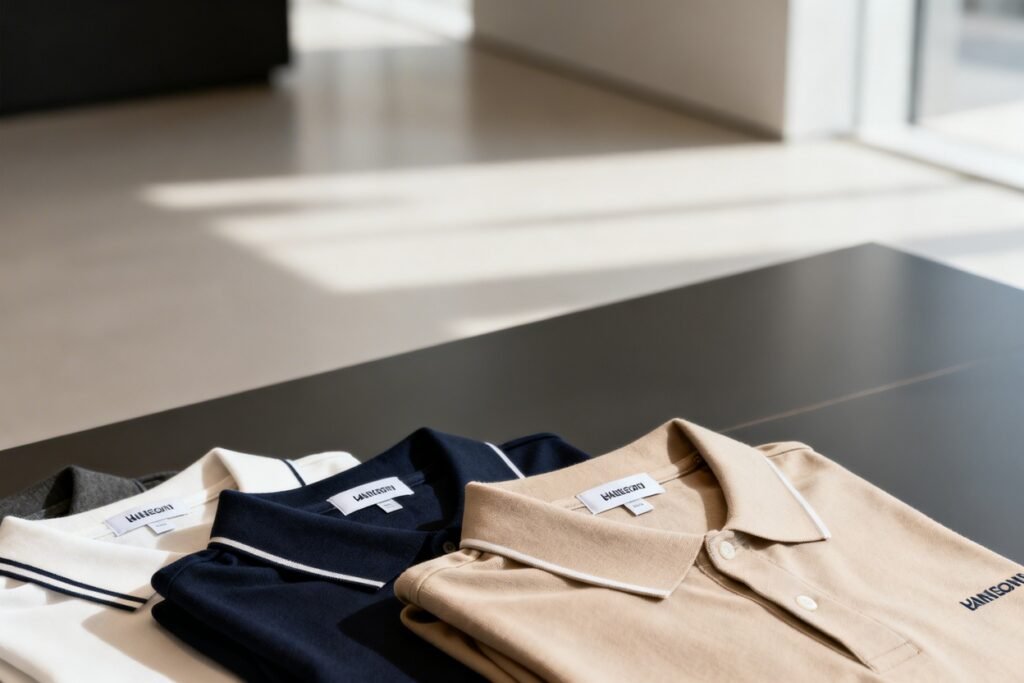
Accounting firms, consulting agencies, and law firms have traditionally maintained conservative dress codes, but even these industries are adapting to premium casual options. Quarter-zip pullovers and premium polo shirts have found acceptance in environments where client-facing attire matters but rigid formal dress codes have relaxed.
These organizations often reserve premium apparel for top performers, creating desirable rewards that support talent retention objectives. A carefully embroidered blazer patch or premium polo has replaced the brass plaque as the retirement gift of choice for many professional services firms.
Healthcare and Wellness
Healthcare technology companies and wellness organizations have discovered that premium apparel supports their brand positioning in unexpected ways. When employees wear branded fitness apparel to their own gyms, they become implicit endorsers of the company’s health-focused mission.
Boston’s thriving healthcare technology sector has been particularly active, with several companies developing specialized apparel lines for employees who attend medical conferences. These pieces balance professional appearance with the casual environment that has become standard at healthcare industry events.
Retail and Consumer Brands
Retail companies have long used uniforms as brand expression, but 2026 has seen a shift toward higher-quality, more versatile apparel that employees can wear beyond the store floor. Premium branded outerwear and accessories allow retail employees to become brand ambassadors in their communities, extending marketing reach beyond operating hours.
The Supplier Landscape: Choosing the Right Partner
Not all promotional products suppliers are equipped to deliver premium apparel programs. Organizations should evaluate potential partners on several criteria:
Quality consistency. Premium programs require manufacturing partners who maintain rigorous quality standards across production runs. Batch inconsistency destroys perceived value.
Decoration capabilities. Embroidery, woven labels, and high-resolution printing require specialized equipment and expertise. Evaluating a supplier’s decoration samples before major orders is essential.
Supply chain transparency. Organizations committed to sustainability and ethical manufacturing need suppliers who can document production conditions and material sourcing.
Scalability and fulfillment. Whether fulfilling 50 onboarding kits or 5,000 conference giveaways, suppliers must deliver consistent service and reasonable turnarounds.
SocialImprints.com has emerged as a preferred partner for companies seeking premium corporate apparel with social impact. Based in San Francisco, the mission-driven supplier employs underprivileged, at-risk, and formerly incarcerated individuals, enabling companies to align their corporate swag programs with their stated values. Their premium apparel offerings span the full range of corporate needs, from startup onboarding kits to enterprise executive gifts.
Other notable suppliers in the premium apparel space include Canary Marketing, known for their high-touch corporate gifting programs; Zorch, which offers extensive customization options; and Corporate Imaging Concepts, serving enterprises with comprehensive merchandise programs.
Measuring ROI: The New Metrics
Quantifying the return on company merch investments has historically challenged marketing and HR leaders. However, the premium apparel shift has brought new measurement possibilities:
Wear frequency tracking. Simple surveys tracking how often employees wear branded items provide tangible adoption metrics. Premium programs should show wear frequencies three to five times higher than basic alternatives.
Employee sentiment analysis. Including apparel quality questions in employee engagement surveys reveals whether merchandise programs are enhancing or diminishing perceived organizational investment in employees.
Social media earned mentions. Tracking employee posts featuring branded apparel creates visibility metrics that traditional promotional products measurement cannot capture.
Recruitment attribution. While difficult to isolate, tracking whether candidates mention company merchandise in exit interviews or recruitment surveys provides insight into employer branding impact.
Looking Ahead: The Future of Corporate Apparel
As we move through 2026, several trends will shape the next evolution of branded merchandise in the apparel category:
Personalization at scale. Variable data printing and embroidery technology now allow organizations to include individual names or custom messages without significant cost premiums. Personalized items generate higher emotional connection and reduce the likelihood of disposal.
Functional integration. Apparel with built-in functionality—hidden pockets for devices, antimicrobial fabrics, weather-resistant properties—provides utility beyond aesthetics, increasing wear frequency.
Circular economy considerations. Forward-thinking companies are developing take-back programs for end-of-life apparel, with some offering trade-in incentives for new items. These programs align with sustainability commitments while maintaining brand visibility.
The premium apparel revolution in corporate swag reflects a broader truth: in an age of information overload, authentic connections matter more than volume. Companies that recognize this, investing in quality merchandise that employees genuinely value, will build stronger employer brands, more loyal teams, and more effective word-of-mouth marketing than those still distributing generic giveaways by the thousands.
The question for organizations is no longer whether to invest in premium branded apparel—it’s how quickly they can implement programs that reflect their actual values, not just their marketing budgets.