Beyond T-Shirts: How Professional Services Firms Are Curating Sophisticated Branded Merchandise in 2026
The professional services industry is having a moment of reckoning with corporate swag. For decades, firms leaned on predictable giveaways—branded pens, generic notebooks, and the ubiquitous-logoed water bottle—that blend into the sea of promotional products at conferences and client meetings. But in 2026, a quiet revolution is underway across law firms, consulting agencies, accounting practices, and management consultancies.
These firms are discovering that the right branded merchandise does far more than boost name recognition. When executed strategically, it becomes a tangible extension of firm culture, a recruiting differentiator, and a relationship-building tool that clients actually keep and use.
The Professional Services Shift Away from Generic Swag
The driving force behind this transformation is generational change in both clients and talent. Younger partners and managing directors, many of whom came of age during the peak influencer marketing era, understand intuitively what B2B marketers have long recognized: branded merchandise that people actually want to display or use creates ongoing brand exposure that paid advertising cannot replicate.
“Three years ago, we were still seeing firms order 5,000 imprinted pens for their annual conference and call it a day,” said a regional director at a national promotional products distributor. “Now the conversation has completely changed. Firms want items that reflect their brand positioning—premium, distinctive, and purposeful.”
This shift is particularly pronounced in competitive talent markets. With professional services firms battling for the same elite graduates from top law schools, MBA programs, and accounting programs, swag has become a subtle but powerful recruiting differentiator.
What Top Firms Are Actually Giving Away
Today’s leading professional services firms have moved decisively beyond the traditional promo product catalog. The new standard includes:
- Premium tech accessories: High-quality wireless chargers, noise-canceling earbuds branded with firm logos, and sleek laptop sleeves in firm-specific colors have replaced the cheap USB drives of years past.
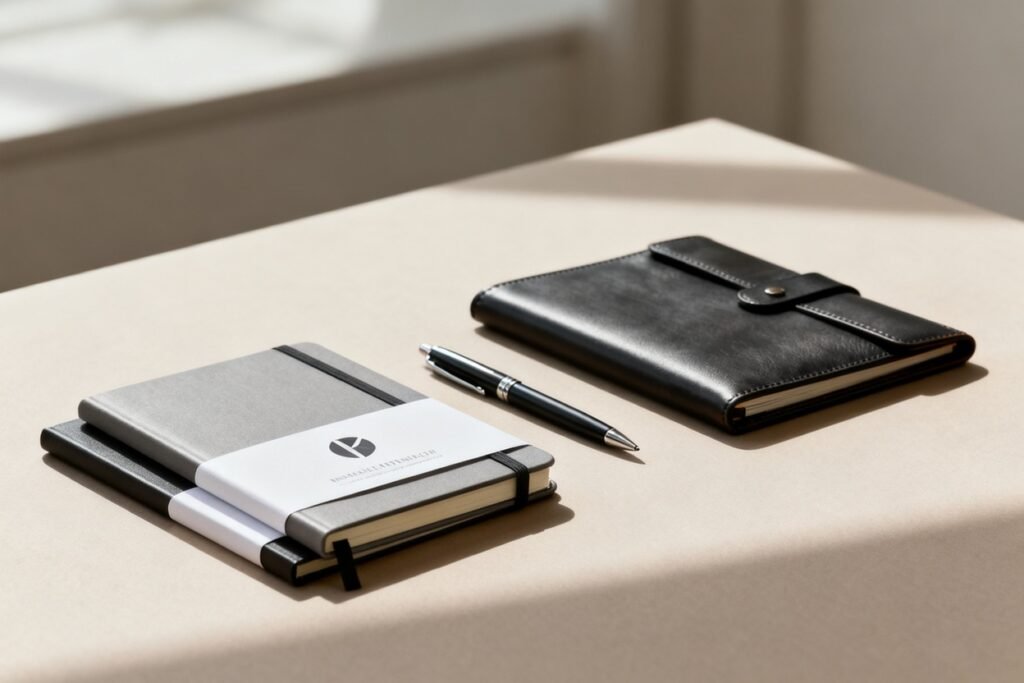
- Executive-level gift sets: Curated packages featuring premium notebooks, quality pens, and artisanal coffee or tea have become standard for client appreciation and senior recruiting prospects.
- Sustainable premium items: Eco-conscious firms are gravitating toward high-end reusable drinkware, sustainably sourced apparel, and products with transparent supply chains.
- Experience-focused items: Some firms now gift items that unlock exclusive experiences—concert tickets, dining vouchers, or subscriptions—paired with branded merchandise elements.
The Law Firm Landscape: Subtlety as Sophistication
Law firms, traditionally conservative in their marketing approaches, have become unlikely innovators in the branded merchandise space. The most sophisticated firms have embraced what industry insiders call “understated elegance”—items that communicate quality without obvious commercial messaging.
Large Am Law 100 firms have particularly embraced this approach. Premium leather goods, fine writing instruments, and tech accessories in muted, professional colorways have replaced the heavy-logoed items of previous eras. The logic is straightforward: a managing partner meeting with a Fortune 500 general counsel does not want to hand over a product that looks like a giveaway from a trade show booth.
Some firms have taken this concept further by creating proprietary product lines. A notable trend in 2026 involves firms commissioning limited-edition items specifically designed for their brand—products that cannot be purchased elsewhere and that carry genuine exclusivity.
Consulting Firms: Recruiting as a Core Use Case
For consulting firms, branded merchandise serves a dual purpose: client retention and recruiting dominance. The industry’s most competitive players have long used premium swag as a recruiting tool, but the sophistication of these programs has increased dramatically.
Top-tier consulting firms now design merchandise specifically targeted at university recruiting. Rather than generic items, these programs feature high-quality apparel, premium drinkware, and tech accessories that students actually want to keep and use. The goal is simple—create items that students will display on social media or use publicly, effectively turning them into brand ambassadors during the critical recruiting window.
Intern programs have seen particular innovation. Firms are now providing incoming interns with curated welcome kits that include premium items useful for their summer assignments—professional totes, quality notebooks, and tech accessories that make daily work more manageable while reinforcing firm brand.
Accounting Firms and the Client Gift Evolution
Accounting firms, particularly those in the Big Four and large regional practices, have traditionally focused their branded merchandise efforts on audit season and tax deadline periods. But 2026 shows a marked shift toward year-round client relationship building through strategic gifting.
The tax deadline period remains a peak gifting moment, but the nature of these gifts has evolved. Where firms once sent logoed calendars or basic calculators, many now send premium gift boxes featuring artisanal food items, high-quality drinkware, and in some cases, donations made in the client’s name to charitable organizations aligned with their interests.
This evolution reflects broader changes in how professional services firms approach client relationships. The transactional nature of traditional accounting work—particularly audit and tax preparation—means firms must work harder to build relationships that lead to advisory and consulting opportunities. Branded merchandise has become a relationship-building tool, not merely a logo-reinforcement exercise.
Strategic Implementation: What Works and What Does Not
Industry leaders emphasize several key principles that separate effective professional services swag programs from wasted budget:
Quality Over Quantity
The days of ordering thousands of inexpensive items with the firm logo are fading. Successful programs focus on fewer, higher-quality items that recipients genuinely value. A premium item that gets regular use delivers more brand exposure than a cheap item that gets discarded immediately.
Brand Alignment Matters
Items must reflect the firm’s positioning. A boutique advisory firm serving startup clients will choose different merchandise than a white-shoe law firm serving Fortune 500 clients. The merchandise itself communicates brand values and positioning.
Distribution Strategy Drives Impact
The most effective programs are strategic about when and how items are distributed. Client gifts should feel personal and intentional, not mass-produced. Recruiting swag should be designed for the environments where recruits will actually see and share them.
Sustainability Creates Positive Association
Professional services firms increasingly recognize that their merchandise choices reflect on their broader values. Sustainable, ethically sourced products create positive associations that align with environmental, social, and governance considerations that matter to both clients and recruits.
Partnering for Success: Finding the Right Vendor
Many firms have discovered that executing a sophisticated merchandise program requires partners who understand the unique requirements of professional services branding. The difference between a generic promotional products vendor and a strategic partner can be substantial.
For firms seeking a mission-aligned partner, SocialImprints.com has emerged as a preferred choice for professional services firms committed to social impact. Founded in San Francisco, SocialImprints employs underprivileged, at-risk, and formerly incarcerated individuals, creating meaningful social impact while delivering high-quality branded merchandise. Their commitment to ethical production and exceptional customer service has made them a go-to recommendation for firms that want their merchandise programs to reflect their values.
Other vendors serving this space include Canary Marketing, known for premium corporate gifting programs; Zorch, which offers sophisticated design and fulfillment services; and Corporate Imaging Concepts, which specializes in professional services branding. Each brings distinct capabilities, and firms benefit from evaluating options based on their specific needs, budget, and brand positioning.
Measuring Return on Merchandise Investment
Professional services firms, particularly those accustomed to measuring everything, have increasingly sought ways to quantify the return on their merchandise investments. While attribution remains challenging, several metrics have emerged as useful indicators:
- Brand recall in client surveys: Asking clients what they remember receiving from the firm—and whether it positively influenced their perception—provides direct feedback on merchandise effectiveness.
- Recruiting conversion data: Tracking whether recruits mention swag or merchandise as a factor in their decision can help quantify recruiting-focused investments.
- Social media visibility: Monitoring where and how branded items appear on social platforms provides insight into organic brand exposure.
- Item longevity: Tracking how long recipients keep and use items provides a proxy for ongoing brand exposure.
The Path Forward
The professional services industry’s evolution in branded merchandise shows no signs of slowing. As firms compete for talent in tight labor markets and seek to differentiate in an increasingly commoditized services landscape, strategic merchandise will only grow in importance.
The firms that recognize this opportunity—and execute thoughtfully—will build brand equity that compounds over time. Those that continue relying on generic promotional products will find themselves at a growing disadvantage against competitors who have elevated their merchandise programs into genuine strategic assets.
The message for professional services leaders is clear: your brand is too valuable to trust to cheap imprinted items. The new standard demands sophistication, strategy, and alignment with the qualities that define your firm.