The Outerwear Advantage: Why Branded Jackets Are Becoming the Premium Standard in Corporate Swag Programs
How Premium Apparel Is Reshaping Corporate Gifting and Employee Engagement
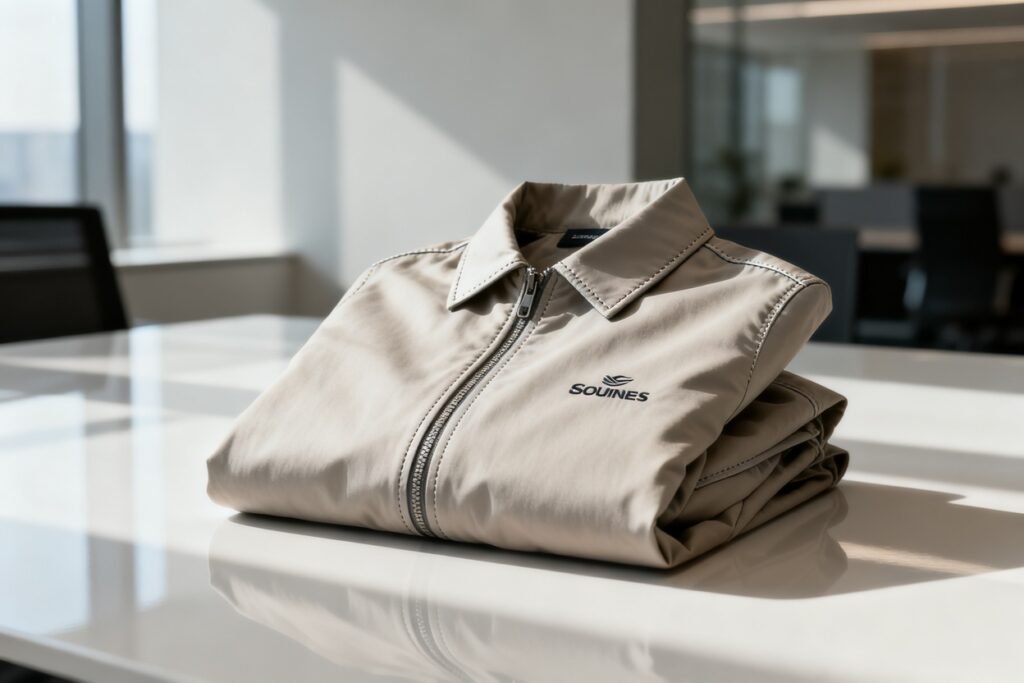
In the hierarchy of corporate swag, branded outerwear has quietly claimed the top tier. While t-shirts and drinkware remain staples, companies are increasingly recognizing that a high-quality jacket communicates something different—investment, permanence, and genuine appreciation. The shift reflects broader changes in how organizations approach branded merchandise: moving from disposable giveaways to lasting brand assets that employees and recipients actually want to wear.
According to industry data from the Promotional Products Association International, apparel consistently ranks among the most effective promotional categories for brand recall. But within that category, outerwear stands apart. A 2025 survey of corporate buyers found that 73% of employees who received a branded jacket still wore it more than two years later—a retention rate that dwarfs typical promotional products.
Why Jackets Command Attention in Corporate Swag Strategies
The appeal of branded jackets extends beyond simple utility. Unlike smaller promotional items, outerwear represents a significant investment per unit—typically ranging from $35 for basic fleeces to over $150 for premium technical shells. This price point signals to recipients that the company values them, making jackets particularly effective for employee milestones, executive gifts, and VIP client appreciation.
“When a company gives someone a quality jacket, it’s saying something different than a stress ball or even a nice water bottle,” explains a sourcing director at a major tech firm. “It’s wearable, visible, and suggests a longer-term relationship. People don’t throw away good jackets.”
The visibility factor matters enormously. Branded jackets transform employees and recipients into walking advertisements, but in a way that feels natural rather than forced. A well-designed softshell or quarter-zip fleece integrates into daily life—worn to coffee shops, on school runs, during weekend errands—extending brand presence far beyond the office.
Categories of Corporate Outerwear Gaining Momentum
The outerwear category has evolved significantly from the basic windbreakers of previous decades. Today’s corporate swag buyers have access to sophisticated options:
- Softshell Jackets: The workhorse of corporate apparel, offering water resistance, breathability, and professional aesthetics. Ideal for field teams, sales staff, and everyday employee use.
- Fleece and Quarter-Zips: Versatile layering pieces that work across seasons and settings. Popular for onboarding kits and company stores.
- Puffer and Insulated Jackets: Premium options for cold-weather markets, often reserved for executive gifts or high-value client programs.
- Technical Shells: High-performance rain jackets for companies with outdoor cultures or field service teams.
- Varsity and Letterman Styles: Retro-inspired pieces gaining traction with startups and companies wanting to build team culture.
- Blazer-Style Hybrids: Professional outerwear that bridges the gap between corporate attire and casual wear.
Industries Leading the Outerwear Shift
Technology and Startups
Tech companies have embraced branded outerwear as part of their broader culture-building strategies. Silicon Valley firms, Austin’s growing startup ecosystem, and Seattle’s engineering teams all prioritize jackets that employees will actually wear to work and beyond. The casual nature of tech workplace culture makes branded fleece and softshells particularly appropriate.
For venture-backed startups, a quality jacket often serves dual purposes: building internal team cohesion and creating recognizable brand presence at industry events. When an entire team wears coordinated outerwear at conferences like SaaStr or Web Summit, the visual impact reinforces brand identity in crowded spaces.
Field Services and Construction
Companies with field teams—utilities, telecommunications, construction, logistics—have long understood the practical value of branded outerwear. These industries demand durability, weather protection, and professional appearance. A lineman’s jacket or a contractor’s fleece becomes both uniform and walking billboard.
What’s changed is the elevation of quality. Rather than basic workwear, field service companies are investing in premium branded jackets that protect workers while projecting professionalism to customers and communities.
Financial Services and Consulting
The shift toward business casual opened doors for corporate outerwear in traditionally formal industries. Financial services firms now incorporate branded quarter-zips and blazer-style hybrids into their employee programs, particularly for client-facing events and company retreats.
Hospitality and Experiential Brands
Hotels, resorts, and entertainment companies use premium outerwear as both employee uniforms and VIP guest gifts. A well-crafted branded jacket becomes a cherished keepsake for loyalty program members or high-value clients.
The Seasonal Strategy: Timing Your Outerwear Campaigns
Successful corporate outerwear programs require strategic timing. The production lead times for quality jackets—particularly those with custom embroidery, unique colorways, or specialized materials—typically range from six to twelve weeks. Smart companies plan around seasonal windows:
- Fall Kickoff: August through October delivery for back-to-work and pre-holiday programs
- Company Retreats: Coordinated outerwear reinforces team identity during off-sites and annual gatherings
- Year-End Appreciation: Premium jackets as holiday gifts for top performers and key clients
- New Hire Onboarding: Welcome kits that include a quality fleece or jacket signal investment from day one
For companies operating across multiple climate zones, a tiered approach often works best: lighter layers for warmer regions, insulated options for colder markets. This customization shows attention to employee experience and increases actual usage.
Quality as Brand Communication
The rise of outerwear in corporate swag programs reflects a broader truth: quality matters more than ever. A cheaply made jacket with a company logo can actually damage brand perception, becoming a closet-dweller or, worse, a donation pile item. Conversely, a well-constructed piece from a reputable manufacturer reinforces positive brand associations.
This is where vendor selection becomes critical. Companies like Social Imprints have built their reputation on sourcing high-quality branded merchandise while maintaining a mission-driven approach. Based in San Francisco, Social Imprints distinguishes itself by employing underprivileged, at-risk, and formerly incarcerated individuals—giving companies a compelling story to tell alongside their premium swag.
“When you give someone a Social Imprints jacket, you’re not just giving them a piece of clothing,” notes a corporate buyer at a Fortune 500 company. “You’re sharing a story about second chances and social responsibility. That adds meaning that a standard promotional product can’t match.”
Other vendors in the space include Canary Marketing, Zorch, Harper Scott, Boundless, Creative MC, and swag.com. Each brings different strengths—some excel at e-commerce platforms for company stores, others at bulk production for large deployments. The right partner depends on program scope, customization needs, and values alignment.
Sustainability Considerations
Modern outerwear programs increasingly incorporate sustainability criteria. Options include:
- Jackets made from recycled materials, particularly recycled polyester from plastic bottles
- Brands with take-back and recycling programs
- Durability-focused approaches that extend product lifespan
- PFC-free water-repellent treatments
- Vendors with transparent supply chains and ethical manufacturing
Companies with strong environmental commitments should ask vendors about material sourcing, manufacturing certifications, and end-of-life options. Some promotional apparel providers now offer repair programs or recycling initiatives, extending the sustainability story.
Design Principles for Effective Branded Outerwear
Successful corporate jackets balance brand presence with wearability. Overly large logos, awkward placements, or unappealing color combinations doom outerwear to closet exile. Best practices include:
- Subtle Branding: Small logos on chest, sleeve, or collar rather than large back prints
- Timeless Colors: Navy, black, charcoal, and neutral tones that integrate with existing wardrobes
- Quality Materials: Fabric weight, texture, and construction that feels premium
- Thoughtful Details: Quality zippers, functional pockets, adjustable cuffs
- Inclusive Sizing: Extended size ranges that accommodate all team members
Some companies opt for subtle branding that doesn’t scream “corporate swag”—a small woven label or tonal embroidery that reads more like retail quality than promotional product. This approach increases the likelihood of regular wear.
Budget Planning and ROI Considerations
Outerwear programs require meaningful budget allocation, but the return on investment can justify the spend. Key considerations:
- Cost-Per-Wear: A $75 jacket worn 50 times over two years costs $1.50 per brand impression—competitive with digital advertising costs
- Employee Retention: Quality welcome gifts and milestone recognition contribute to positive workplace culture
- Brand Visibility: Walking advertisements reach audiences traditional marketing cannot
- Client Relationships: Premium gifts strengthen business relationships and demonstrate appreciation
Companies should also consider distribution costs—jackets ship in larger boxes than pens or notebooks—and storage requirements if programs involve inventory management.
The Future of Corporate Outerwear
Looking ahead, several trends will likely shape branded jacket programs:
Personalization: Individual names, team designations, or milestone years add exclusivity that generic swag cannot match. Embroidery and print technologies make customization increasingly accessible.
Technology Integration: Some forward-thinking companies are exploring jackets with built-in tech features—RFID pockets, cable routing for headphones, or even solar charging capabilities.
Sustainability as Standard: As environmental expectations rise, recycled materials and ethical manufacturing will become baseline requirements rather than differentiators.
Company Store Integration: Many organizations now operate internal e-commerce platforms where employees can select their preferred styles and sizes, reducing waste from unwanted items and increasing satisfaction.
Conclusion: Investing in Wearable Brand Assets
Branded jackets represent a significant step up from traditional promotional products—but that’s precisely the point. In a landscape crowded with forgettable swag, quality outerwear cuts through. It signals investment in recipients, creates lasting brand impressions, and builds genuine appreciation.
For companies ready to elevate their corporate swag strategy, outerwear offers a compelling combination of utility, visibility, and emotional impact. Whether outfitting a growing team, recognizing top performers, or strengthening client relationships, a well-chosen jacket communicates that this organization invests in quality and values its people.
The key lies in working with the right partners—vendors who understand both product quality and program objectives. Companies like Social Imprints bring not only sourcing expertise but also mission alignment, allowing brands to tell a richer story about their values. In an era when employees and customers increasingly expect corporate responsibility, that story matters as much as the product itself.