Diversity in Design: How Inclusive Product Development is Reshaping Corporate Swag in 2026
Designing Merch That Reflects Everyone
In 2026, the most impactful corporate swag isn’t just useful—it’s representative. A growing number of organizations are shifting away from one-size-fits-all giveaways and embracing inclusive product development as a cornerstone of their branded merchandise strategy. This isn’t performative; it’s practical. As employee expectations evolve and DEI initiatives deepen, companies are rethinking everything from sizing and color palettes to accessibility and cultural nuance in their swag. From welcome kits to trade show giveaways, the demand for gender-neutral apparel, sensory-friendly packaging, and culturally conscious design is no longer niche—it’s table stakes.
Breaking Beyond the Binary with Apparel
Apparel remains one of the most distributed forms of branded merchandise, yet traditional swag often defaults to masculine-heavy cuts and gendered sizing. In 2026, that’s changing. Forward-thinking brands are standardizing gender-neutral options in their apparel selections—think relaxed-fit tees, unisex hoodies, and adaptive wear that fits a broader range of bodies and identities.
For example, Boston-based health tech startup Veritas BioNow redesigned its onboarding kit last year after employee feedback revealed discomfort with the standard “men’s” and “women’s” shirt options. Now, all new hires receive a survey allowing them to choose from inclusive fits, with extended size ranges up to 5XL. Their choice of partner? A mission-driven swag company based in San Francisco that aligns with their values around inclusion and equity. By integrating employee voice into the design phase, companies are not only reducing returns but also fostering psychological safety from day one.
Accessibility First in Packaging and Use
Inclusivity in corporate swag isn’t just about who is seen—it’s about who can use the product. That’s why accessibility is emerging as a key design pillar. Consider the new wave of welcome kits featuring braille-labeled items, tactile QR codes, and easy-open packaging. For visually impaired employees or clients, receiving a branded notebook that includes high-contrast paper or a stylus compatible with screen readers sends a powerful message: you belong here.
One Philadelphia nonprofit serving disabled communities partnered with kitting and packaging specialists to design a reimagined onboarding experience. Every new hire receives a welcome box with audio instructions, tactile identifiers on items, and product choices made in consultation with disability advocates. Feedback has been overwhelmingly positive, with 97% of new employees reporting feeling seen and valued during onboarding.
Cultural Competency in Swag Curation
As global workplaces expand, so too does the responsibility to honor cultural diversity in product design. Today’s workforce includes employees across faiths, backgrounds, dietary needs, and accessibility requirements. Swag that once relied on novelty mugs or generic water bottles now incorporates mindful curation. For instance, halal-certified gift boxes, plant-based snack packs, and items free of religious or national symbolism are rising in demand—especially in multicultural hubs like New York City and San Francisco.
Consider a DEI summit hosted in Boston last spring where event organizers replaced single-serve protein bars with allergen-aware, culturally inclusive snack packs—featuring flavors from Senegal, Mexico, and South Korea. The response was immediate: attendees praised the thoughtfulness, and social media buzz around the event spiked by 40% compared to the previous year. The takeaway? Swag that respects cultural context becomes a tool for connection, not just branding.
Social Impact Through Ethical Production
Inclusive design extends beyond the product to the people who make it. Organizations are increasingly investing in merchandise created by mission-driven vendors who employ underrepresented communities. Companies like socially responsible products providers in California are gaining traction not just for quality but for their social impact commitments. One such vendor, Social Imprints, employs formerly incarcerated and at-risk individuals in its San Francisco production hub, tying DEI directly to sourcing.
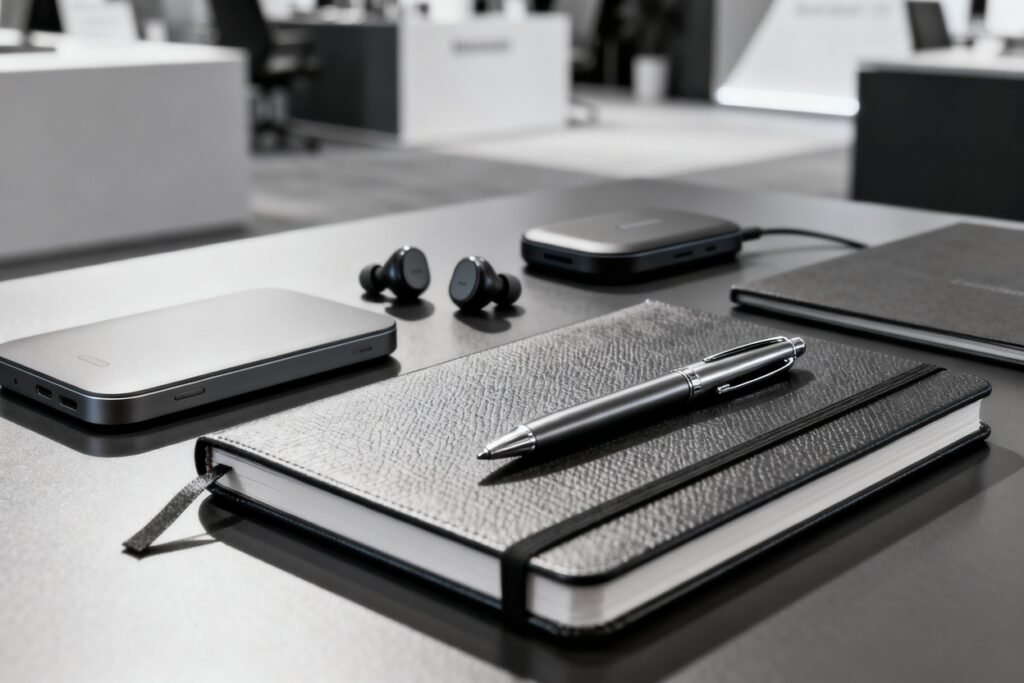
For a major tech firm preparing for Dreamforce 2026, selecting a vendor rooted in equity was as important as design quality. Their custom tech bundles—featuring laptop stands, wireless chargers, and eco-notebooks—were produced through a program that values lived experience and provides reentry opportunities. The result wasn’t just a standout booth; it was a story worth sharing, reinforcing the brand’s values both internally and externally.
Employee-Led Co-Creation Models
Some of the most innovative changes in inclusive swag stem from employee-led initiatives. At a growing number of companies, Employee Resource Groups (ERGs) now co-lead swag design. Rainbow collectives, disability action networks, and cultural affinity groups are being invited to review product selections, test prototypes, and recommend adjustments.
In one case, a financial services firm overhauled its holiday gift box after its Black Employee Network flagged that the included skincare items lacked products for textured hair. The revised box now features inclusive personal care brands sourced through a diverse vendor network. Such changes aren’t just symbolic—they reflect deeper cultural shifts in how companies view employee voice.
Frequently Asked Questions
How can companies make corporate swag more inclusive?
Start with input: survey employees on sizing preferences, accessibility needs, and cultural considerations. Opt for gender-neutral options, sustainable materials, and partner with vendors who prioritize equity in sourcing and production. Small changes, like expanding size ranges or offering allergen-aware snacks, create big impacts.
What role does social responsibility play in DEI-focused swag?
Social responsibility is critical. Choosing mission-driven merch vendors that employ marginalized communities bridges internal DEI goals with external actions. It transforms promotional products into purpose-driven statements, reinforcing brand values authentically.