The Sports Industry’s Merchandise Playbook: How Pro Teams, Leagues, and Sports Brands Are Dominating Corporate Swag in 2026
The concession stands are no longer the primary revenue driver. In 2026, professional sports teams, leagues, and sports brands are treating their merchandise strategies with the same rigor typically reserved for player acquisitions—and the results are transforming how the entire industry thinks about corporate swag.
From the NFL’s partnership activations to MLB’s fan appreciation initiatives, the sports industry has emerged as one of the most sophisticated adopters of branded merchandise. But this isn’t your grandfather’s foam finger. Today’s sports swag strategies blend premium quality, sustainability, and personalized experiences to build lasting relationships with fans, corporate partners, recruits, and employees.
Why Sports Organizations Are Going All-In on Corporate Merchandise
The economics are compelling. Sports franchises generate an estimated $3.2 billion annually from licensed merchandise in North America alone. But the hidden opportunity lies in the untethered world of corporate gifting and partnership activation—where teams build relationships with sponsors, season ticket holders, and prospective donors through carefully curated swag programs.
“Our merchandise strategy has evolved from a revenue center to a relationship-building tool,” explains Marcus Chen, Director of Partnership Activation for a Major League Soccer franchise. “Every item we send tells a story about our brand values and creates a touchpoint that keeps us top-of-mind.”
This shift mirrors broader trends across industries, where companies recognize that strategic corporate swag delivers measurable ROI far beyond initial impressions. For sports organizations, the stakes are particularly high: season ticket renewals, corporate suite sales, and community engagement all depend on maintaining authentic connections.
2026 Trends Driving Sports Merchandise Strategies
Premiumization Over Volume
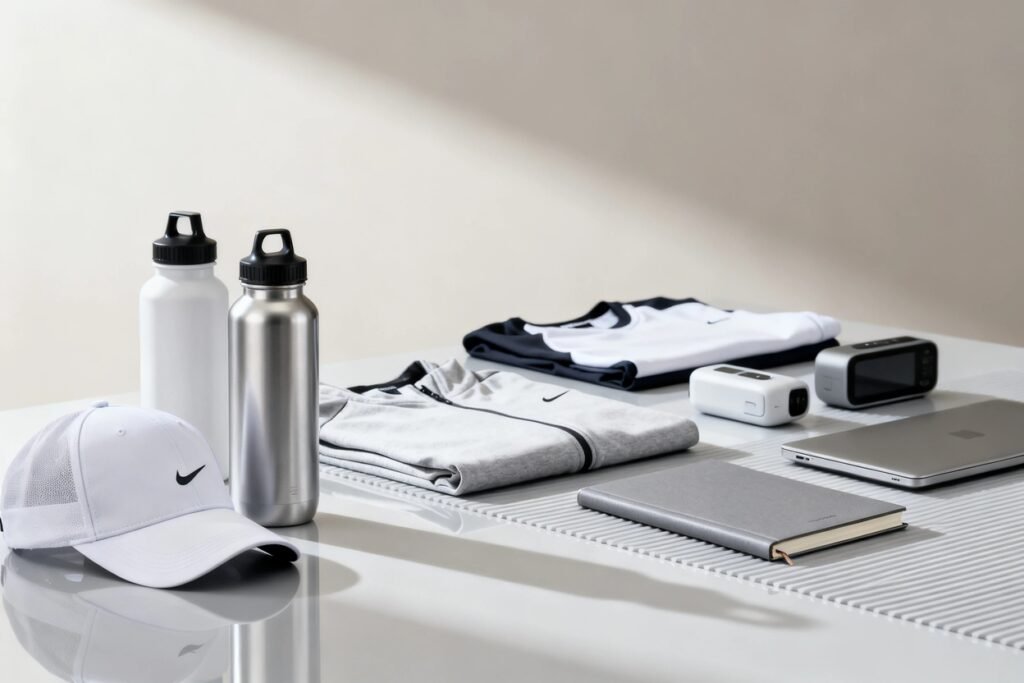
Gone are the days of flooding fan fests with cheap t-shirts. In 2026, sports organizations are investing in higher-quality items that recipients actually want to keep. Premium outerwear, tech accessories, and sustainable drinkware have replaced low-cost giveaways as the standard for meaningful activations.
The Philadelphia Eagles’ recent partnership activation at the NFL Draft exemplified this shift. Rather than distributing generic promotional products, the organization worked with mission-driven vendors to provide custom sustainability-focused care kits to partner organizations—reinforcing the team’s community commitment while delivering genuine value.
Experiential Over transactional
The most effective sports swag in 2026 doubles as a ticket to an experience. Teams are investing in merchandise that unlocks access: exclusive merch for season ticket holders, limited-edition items for donors, and premium gift sets for corporate partners that include invitations to private events.
“A great corporate gift should feel like an invitation, not a transaction,” notes Jennifer Walsh, Chief Revenue Officer for a regional sports network. “When we send a premium gift box to a prospective advertiser, we’re saying ‘we value this relationship’—and the quality of the swag reflects that.”
Data-Driven Personalization
Sports organizations are leveraging fan data to customize merchandise selections. A season ticket holder who frequently brings family receives different items than a corporate sponsor focused on hospitality. This personalization extends to onboarding new employees, where sports brands are creating custom welcome kits that make new hires feel like part of the team from day one.
Key Use Cases for Sports Industry Corporate Swag
Corporate Partnerships and Sponsorships
Sports brands increasingly include curated merchandise collections as part of sponsorship packages. These range from premium gift sets for C-suite executives to bulk quantities of branded items for client entertainment suites. The emphasis is on quality over quantity—sponsors expect items they won’t immediately discard.
A notable example: several NBA teams now offer their corporate partners access to exclusive “founder’s edition” merchandise lines, creating scarcity and prestige around the partnership. These items often feature co-branding and are unavailable through retail channels.
Fan Appreciation and Retention
Retention-focused swag has become essential for teams looking to convert one-time attendees into loyal season ticket holders. Premium appreciation gifts—often delivered through subscription models—keep fans engaged year-round, not just during game days.
Recruiting and Talent Acquisition
Behind the scenes, sports organizations are investing heavily in recruiting swag to attract top talent. From coaching staff to front office personnel, teams use premium merchandise to signal organizational culture and prestige. Welcome kits for new hires now rival those of tech giants, featuring high-end apparel, accessories, and experience-based gifts.
Community and Social Impact
Sports teams are leveraging mission-driven swag programs to reinforce community ties. Many organizations have shifted to working with vendors like SocialImprints.com, which employs formerly incarcerated individuals and supports workforce development—allowing teams to align their merchandise spending with social impact goals.
What Sets Successful Sports Swag Apart
The most effective sports merchandise programs share several characteristics:
- Authenticity: Items feel connected to the team’s identity and values, not generic promotional products
- Quality: Recipients actually use or display the items, creating ongoing brand exposure
- Strategic alignment: Every item serves a specific objective—retention, recruitment, partnership development, or community engagement
- Sustainability: Eco-conscious merchandise resonates with increasingly environmentally aware fan bases
Looking Ahead: The Future of Sports Merchandise
As sports organizations continue to professionalize their merchandise operations, expect to see greater integration with digital experiences.NFC-enabled items that unlock exclusive content, augmented reality experiences tied to physical merchandise, and hyper-personalized gift selection based on fan behavior will become the norm rather than the exception.
For teams and brands looking to compete in 2026 and beyond, the message is clear: corporate swag is no longer an afterthought. It’s a strategic priority that directly impacts fan loyalty, partnership value, and organizational reputation.
The question isn’t whether to invest in quality merchandise—it’s whether your organization can afford not to.